
PVC Flexible Cables
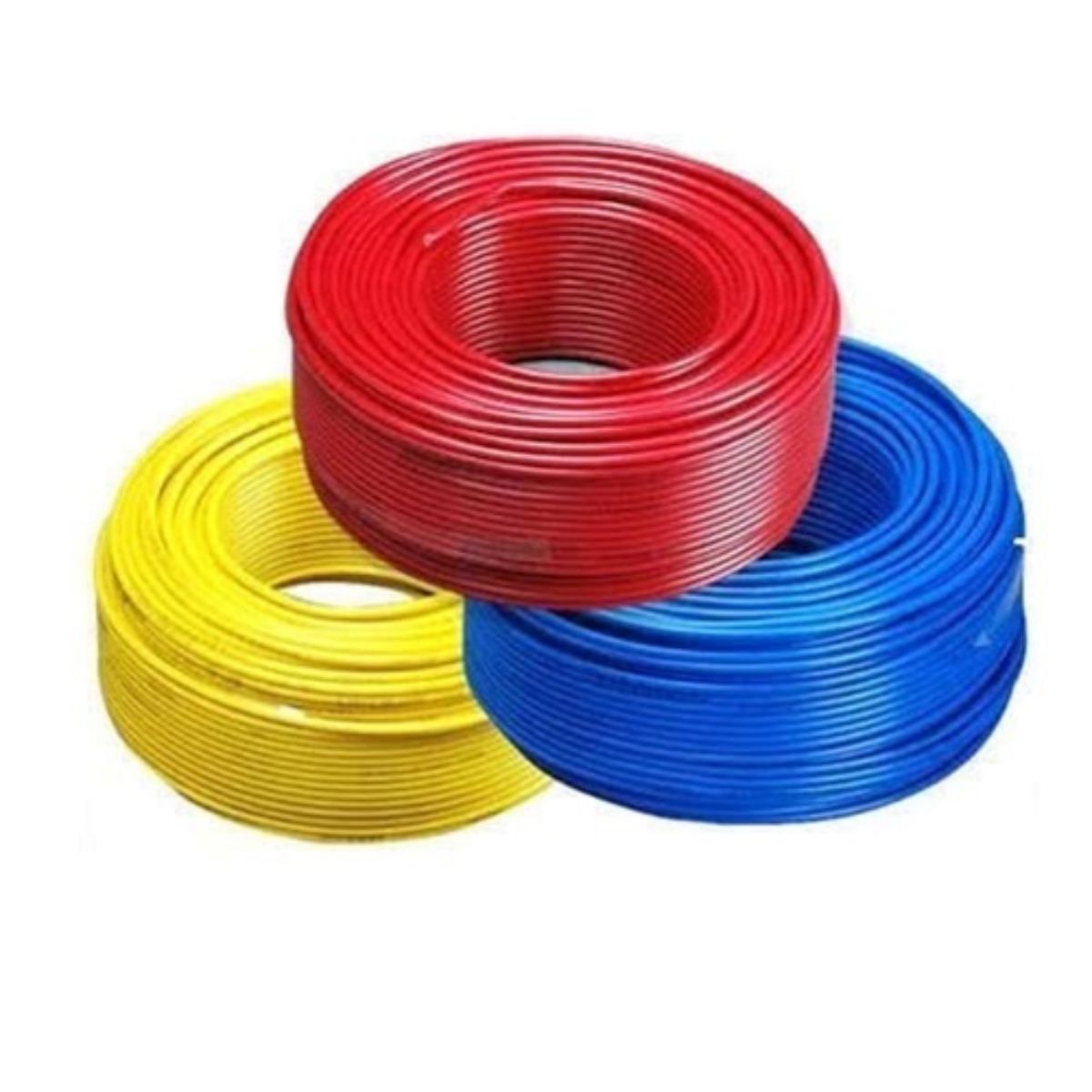
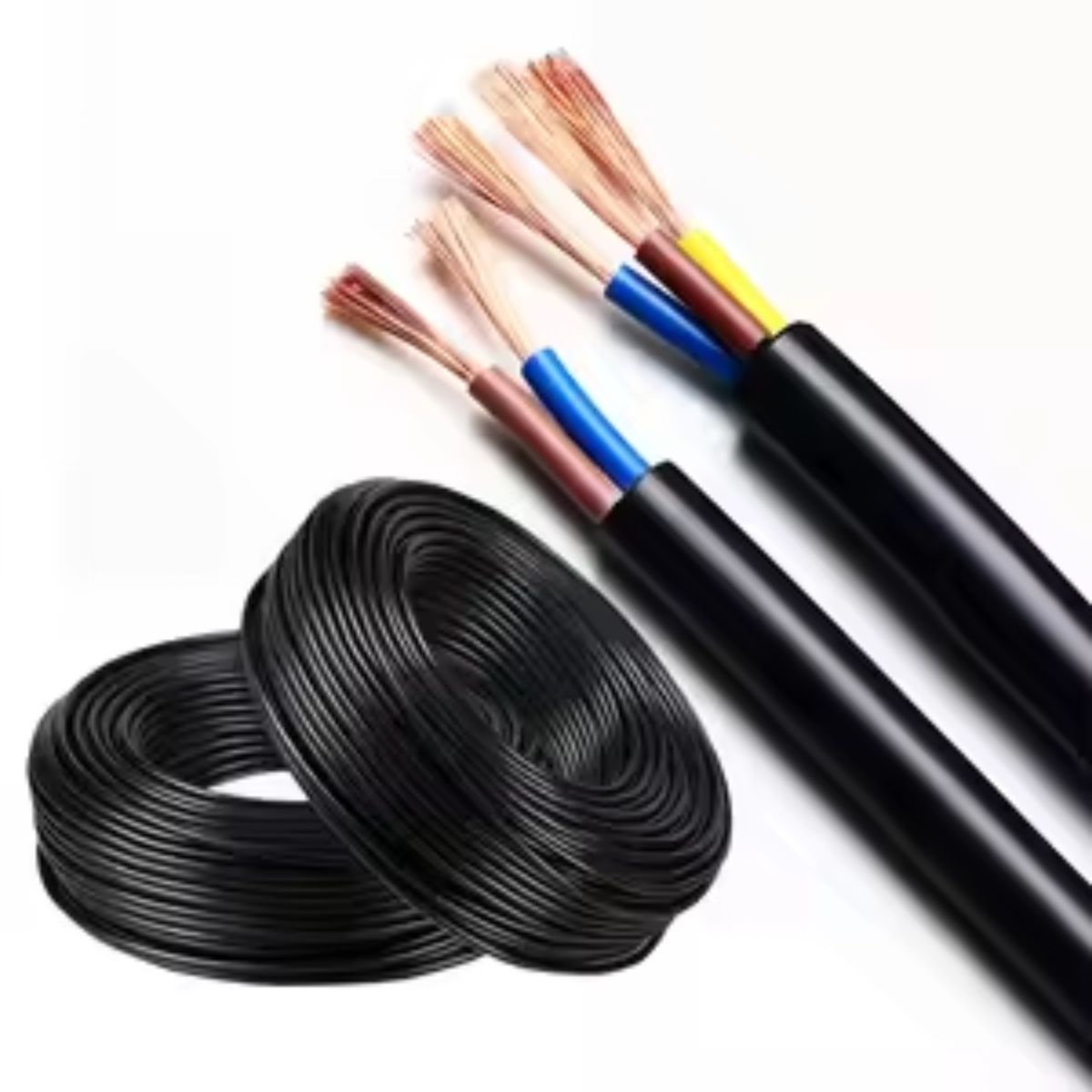
PVC Flexible Cables are designed for applications requiring high flexibility, durability, and reliable electrical performance. These cables are widely used in household appliances, office equipment, and industrial machinery.
Construction
Conductors
It is the current carrying component of the cable.
Material:
- Flexible Class 5 plain annealed high purity copper conductors as per BS EN 60228
The conductor offers excellent electrical conductivity and superior mechanical flexibility due to advanced construction design.
Insulation
The insulation separates conductive components and prevents transfer of electricity or heat.
Material:
- PVC Type TI2 as per BS EN 50363-3
PVC insulation provides excellent electrical, thermal, and mechanical properties suitable for flexible applications.
Sheathing
Protective outer covering of the cable.
Material:
- PVC Type TM2 as per BS EN 50363-4-1
The sheath ensures protection against mechanical damage, abrasion, and environmental exposure.
Characteristics
Voltage Rating:
300/500 V
Temperature Rating:
- Standard PVC insulation suitable for continuous operating temperature up to 70°C
- Heat resistant PVC suitable for continuous operating temperature up to 105°C
Minimum Bending Radius:
4 × overall cable diameter
Standards
PVC Flexible Cables are manufactured in accordance with:
- BS 6500 – For sizes up to 2.5mm²
- BS 7919 – For sizes up to 4mm²
- BS EN 60228 – Flexible Class 5 Copper Conductors
- BS EN 50363-3 – PVC Type TI2
- BS EN 50363-4-1 – PVC Type TM2
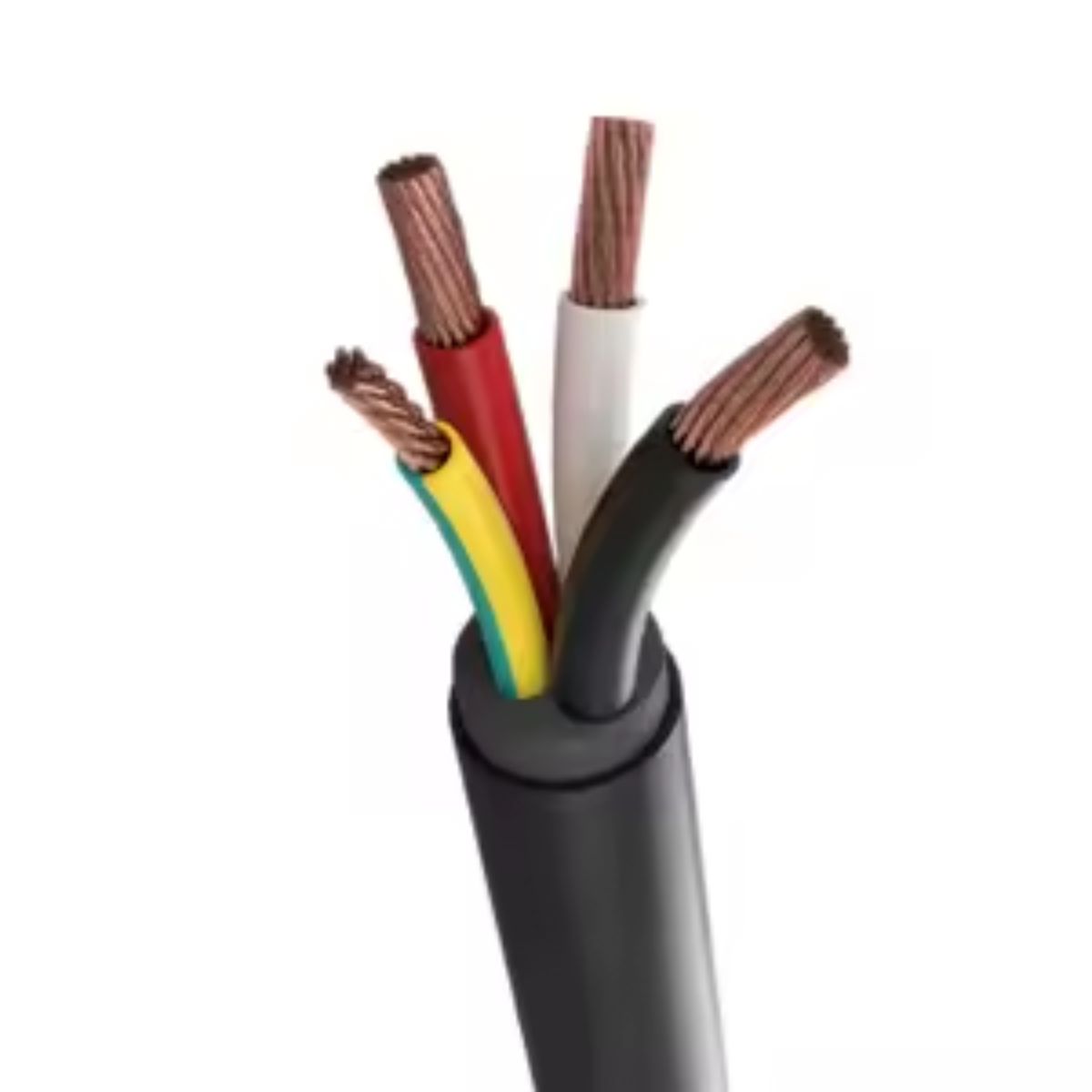
Core Identification
2 Core:
Blue and Brown
3 Core:
Green/Yellow, Blue and Brown
4 Core:
Green/Yellow, Blue, Brown and Black
OR
Green/Yellow, Brown, Black and Grey
5 Core:
Green/Yellow, Blue, Brown, Black and Grey
Application
PVC Flexible Cables are suitable for:
- Household appliances (washing machines, refrigerators, dryers, etc.)
- Office equipment (computers, printers, power systems)
- Industrial machinery
- Outdoor industrial use
- Portable electrical equipment
- Light duty power connections
Designed for flexibility and durability in dynamic and mobile electrical installations.