
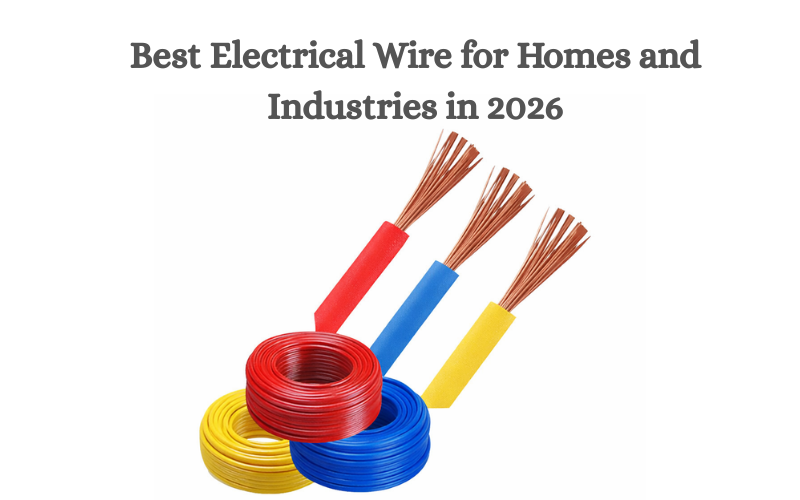

Electricity is the silent force that powers our lives, from lighting up homes to running complex industrial machinery. At the heart of every electrical system lies one of its most critical components: the electrical wire.
In 2026, as the demand for energy-efficient and safety-compliant systems grows, the importance of choosing the best electrical wire for home and industrial applications has become even greater. With hundreds of options available in the market, selecting the right electrical cable can be challenging.
This guide simplifies the decision-making process and provides expert insights on the best electrical wires, copper cables, and modern wiring solutions used in residential and industrial projects.
Why Choosing the Right Electrical Wire Matters
Whether you’re wiring a new home, upgrading an existing building, or setting up an industrial unit, the quality of the electrical wiring cable directly impacts:
- Electrical safety
- Energy efficiency
- Durability and maintenance
- Load capacity and performance
Using a low-quality or incorrect electrical cable can lead to overheating, short circuits, frequent breakdowns, and even fire hazards. That is why electricians and engineers always recommend using high-quality copper electrical wires that comply with safety standards.
Key Factors to Consider in 2026
Conductor Material (Copper or Aluminum)
Copper remains the most preferred material for electrical wire manufacturing due to its superior conductivity, flexibility, and corrosion resistance.
Copper cables offer better current flow, reduced power loss, and a longer lifespan compared to aluminum wires. However, aluminum cables are sometimes used for large-scale power transmission systems due to their lightweight and cost-effective nature.
Wire Insulation (FR, FRLS, HRFR)
Modern electrical wires and cables come with advanced insulation technologies such as:
- FR (Flame Retardant)
- FRLS (Flame Retardant Low Smoke)
- HRFR (Heat Resistant Flame Retardant)
These insulation types help reduce fire risks and toxic smoke emissions, making them ideal for commercial buildings, residential complexes, and industrial facilities.
Wire Gauge and Load Capacity
Choosing the correct wire size or cable gauge is essential. Undersized wires can overheat, while oversized cables increase unnecessary costs.
Selecting the proper electrical cable size ensures safe power distribution and improved performance in both homes and industries.
Compliance with Standards
Always ensure that the electrical wire complies with national or international standards such as:
- IS 694
- IS 1554
- IEC Standards
Certified and ISI-marked electrical cables undergo strict quality testing to ensure safety and long-term performance.
Best Electrical Wire Types for Homes in 2026
For residential installations, flexibility, durability, and fire resistance are essential. Some commonly used house wiring cables include:
- Single Core FRLS Copper Wires – Ideal for lighting circuits and sockets.
- Multicore Flexible Copper Cables – Suitable for internal wiring and appliances.
- HRFR House Wires – Perfect for concealed wiring and high-temperature areas.
Color coding is also important for safe electrical installations:
- Red – Phase
- Black – Neutral
- Green – Earth
Proper color coding helps electricians easily identify circuits during maintenance and installation.
Best Electrical Wire Types for Industries in 2026
Industrial applications require heavy-duty electrical cables capable of handling high current loads and harsh environments.
Recommended industrial electrical cables include:
- Aluminium Armoured Cable – Ideal for outdoor and underground power distribution.
- XLPE Power Cables – Known for high thermal stability and voltage capacity.
- Control and Instrumentation Cables – Used in automation systems and industrial panels.
- Multicore Flexible Cables – Suitable for motors, machinery, and control panels.
Using high-quality copper cables in industries improves voltage stability, reduces downtime, and protects expensive equipment.
Electrical Wiring Trends in 2026
The electrical wire industry is evolving rapidly with new safety standards and sustainability goals.
Key trends include:
- Increased use of FRLS and LSZH cables
- Environment-friendly insulation materials
- Growing demand for solar cables and renewable energy wiring systems
- Smart home compatible electrical wiring solutions
These trends are shaping the future of modern electrical cable systems worldwide.
Why Copper Cable is the Preferred Choice
Among all conductor materials, copper electrical cable remains the most reliable option for residential and industrial wiring.
Advantages of copper cable include:
- High electrical conductivity
- Longer lifespan
- Excellent flexibility
- Lower energy losses
Due to these benefits, copper electrical wires continue to dominate the global market in 2026.
Tips for Safe Electrical Wiring
Before purchasing electrical wires and cables, consider the following safety tips:
- Buy from trusted electrical wire manufacturers or authorized dealers
- Check for ISI certification and sealed packaging
- Use proper connectors and joints
- Hire licensed electricians for installation
- Avoid mixing aluminum and copper wires in the same circuit
These precautions help ensure safe and efficient electrical wiring systems.
Conclusion
Choosing the best electrical wire in 2026 is not just about cost it is about safety, durability, and performance. Whether for residential buildings, commercial spaces, or industrial projects, selecting the right electrical cable ensures reliable power distribution and long-term efficiency.
High-quality copper cables and certified electrical wires from trusted manufacturers play a crucial role in building safe and energy-efficient electrical systems.